
A circular blue icon with a white outline of a smartphone. In the center of the phone screen is a white telephone handset symbol, commonly used to represent mobile calling or contact options.

0431 100 105

Book Your Inspection Today

Professional Waterproofing Inspection Melbourne

Protect Your Home From Hidden Water Leaks

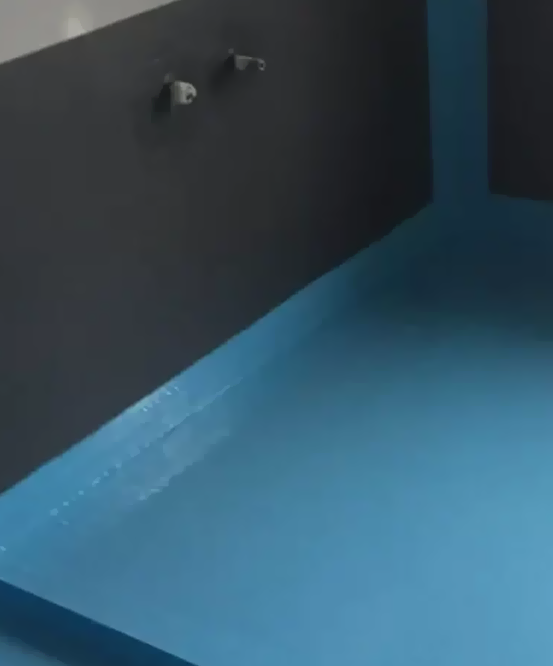
Waterproofing defects are one of the most common causes of building damage. Our waterproofing inspection Melbourne checks bathrooms, laundries, balconies, and other wet areas to ensure membranes are installed correctly and meet AS 3740 standards before tiling begins.

Catch problems early and avoid expensive repairs later.

What Is a Waterproofing Inspection?

A waterproofing inspection is carried out after the builder has applied waterproofing membranes but before tiles or finishes are installed. This inspection checks whether wet areas of the home have been properly sealed against moisture.

Waterproofing is designed to stop water from entering walls, floors, and structural elements. When waterproofing is poorly installed, water can leak into surrounding areas and cause damage over time.

Our waterproofing inspection Melbourne ensures these protective layers are installed correctly and comply with the National Construction Code and Australian Standard AS 3740.

This step helps confirm the home is protected from future water damage before construction continues.

Areas Where Waterproofing Is Required

Many parts of a home require waterproof protection. These areas are constantly exposed to moisture and water flow.

During a waterproof inspection, we review areas such as:

A bathroom waterproofing inspection Melbourne is especially important because bathrooms are one of the most common sources of building leaks.

Why Waterproofing Inspections Are So Important

Waterproofing failures are a common cause of structural and interior damage in homes. Even small defects in the membrane or installation can lead to water leaks over time.

A professional waterproofing inspection Melbourne helps ensure the system is installed correctly before surfaces are finished.

This inspection helps to:

What Our Waterproofing Inspection Covers

Our inspectors follow the National Construction Code and Australian Standard AS 3740, which outlines requirements for waterproofing in domestic wet areas. During a waterproof inspection, we review several important elements.

A home inspector wearing a safety vest and a headlamp-equipped hard hat, crouched in a dimly lit attic. He is using a specialized moisture meter to test a wooden roof beam for dampness or leaks, demonstrating a thorough professional inspection of a home's structural and insulation area.

Membrane Coverage and Application

The waterproofing membrane must cover the correct areas and be applied evenly across surfaces.
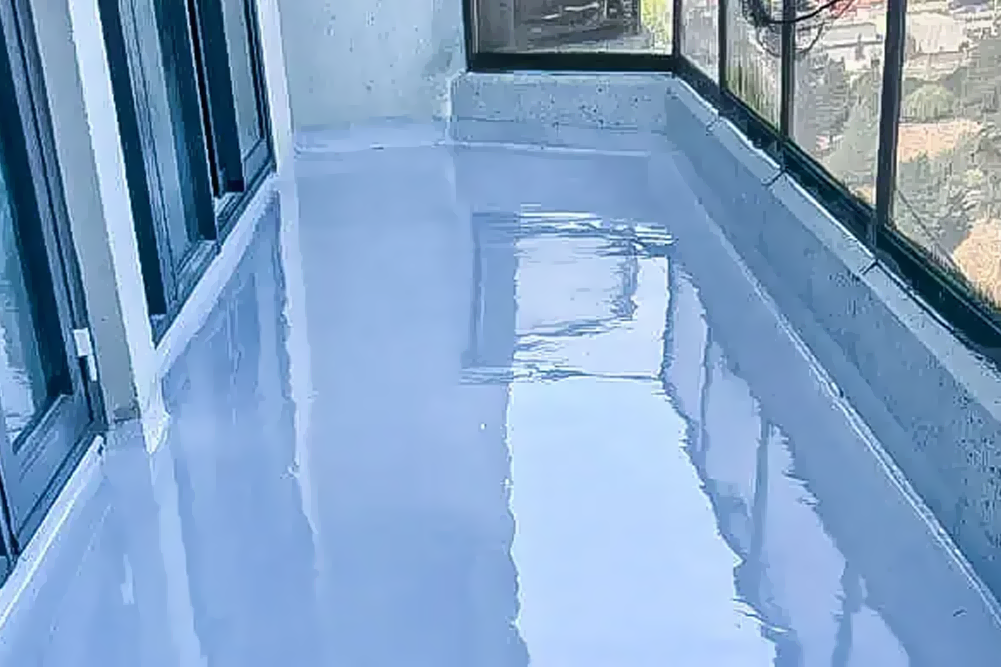
A long balcony featuring a freshly applied, high-gloss light blue waterproof coating on the floor. The reflective surface mirrors the surrounding glass windows and balcony railings, showing a professional waterproofing or floor finishing project in progress.

Membrane Integrity

We check for pinholes, weak spots, or gaps that could allow water to pass through.
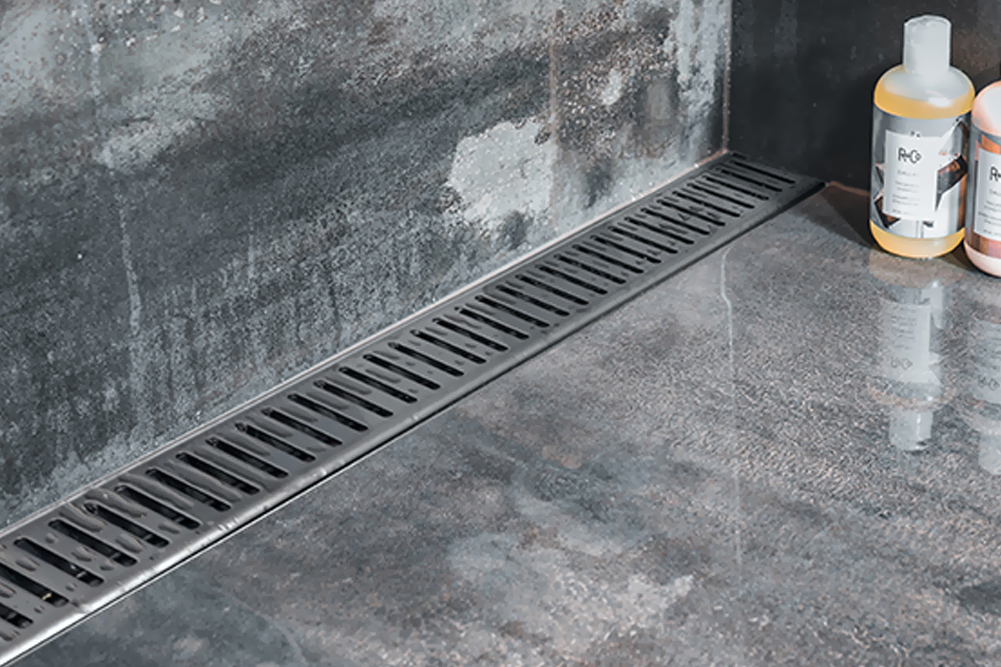
A close-up of a modern walk-in shower featuring a sleek, stainless steel linear drain installed along the base of a dark, textured tile wall. The floor consists of large-format grey stone tiles with a wet, reflective surface, and two bottles of hair care products are visible in the corner.

Floor Falls and Drainage

Floors must slope correctly toward drainage points to prevent water pooling.
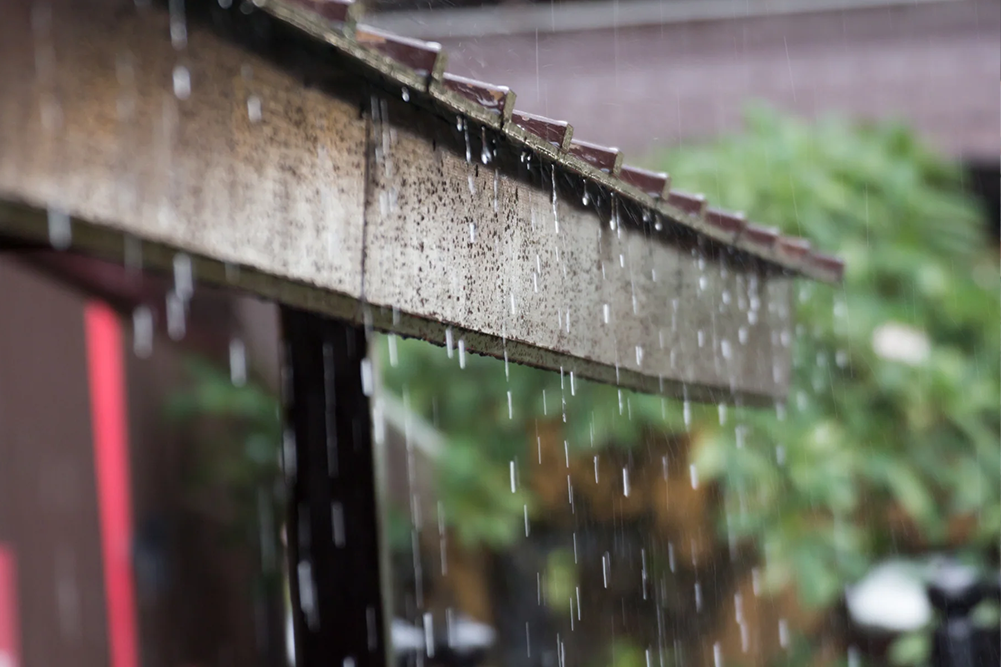
A close-up shot of rainwater dripping steadily from the edge of a weathered wooden roof. Individual raindrops are captured in mid-air against a blurred background of green foliage, illustrating a lack of gutters or a heavy rainfall scenario.

Flashings and Water Bars

These components help direct water away from walls and structural elements.
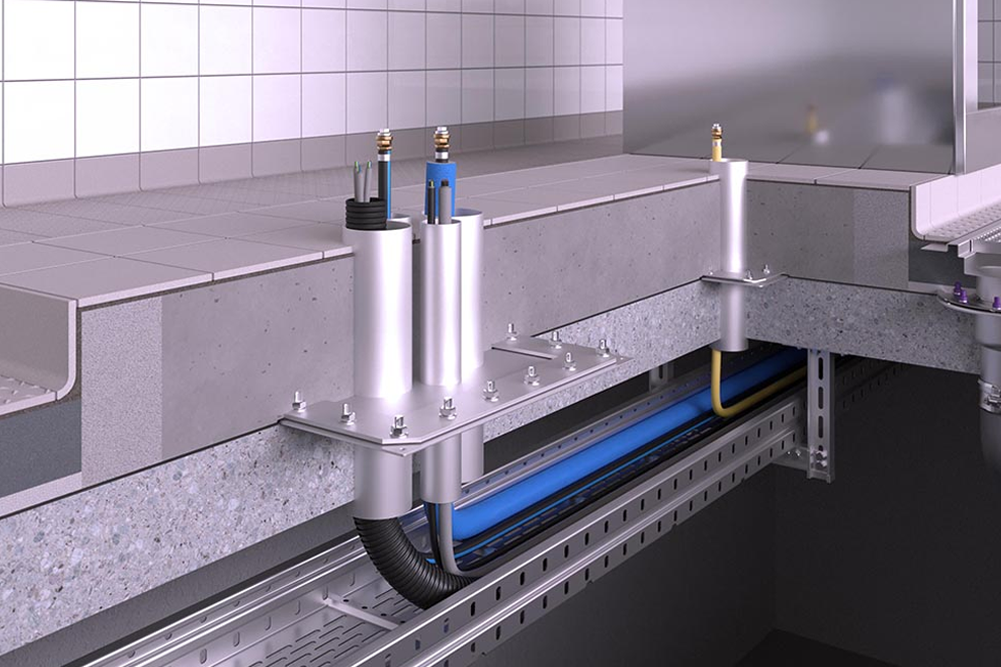
A detailed 3D architectural cross-section of a floor, showing an industrial utility penetration system. Multiple pipes and cables, including a large blue conduit and a black corrugated hose, pass through specialized silver metal sleeves embedded in the concrete floor slab. Below the floor, the utilities are organized within a metal cable tray system.

Pipe Penetrations

Areas where pipes pass through surfaces must be properly sealed.
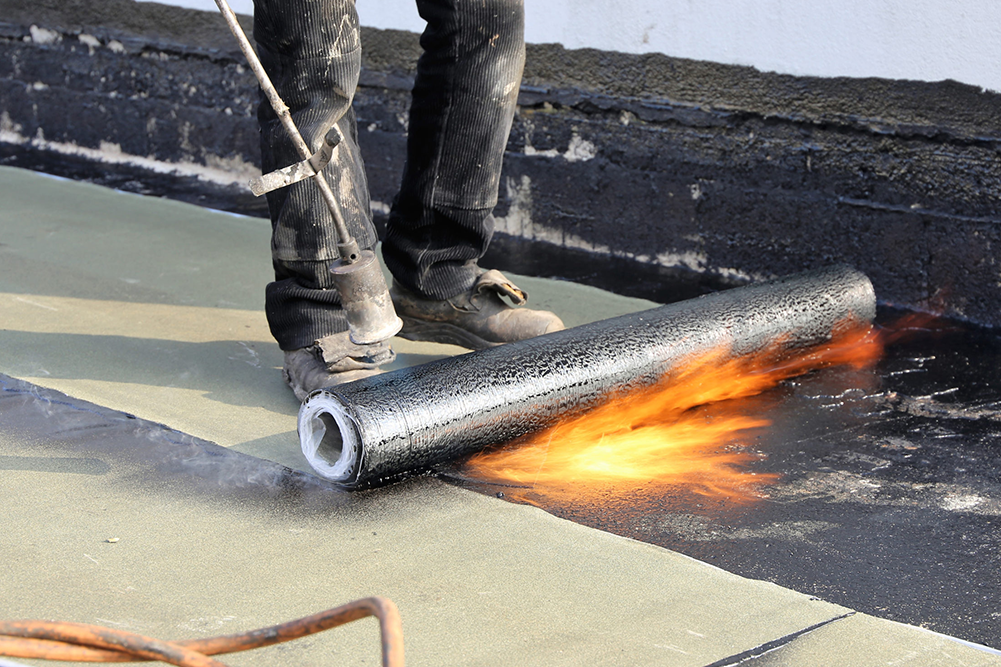
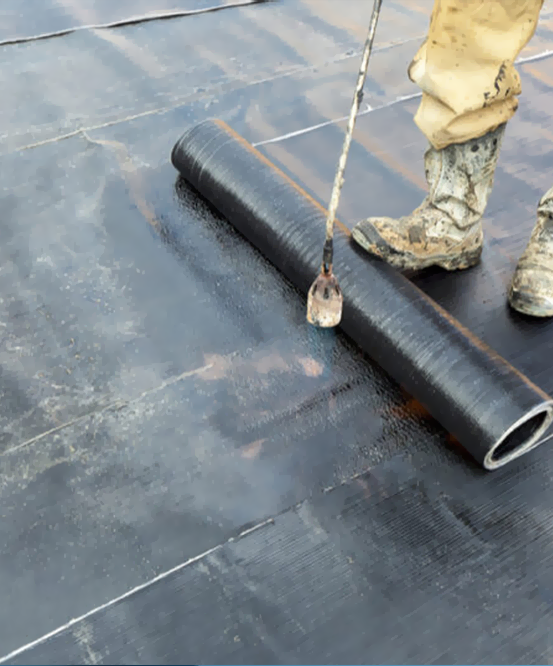
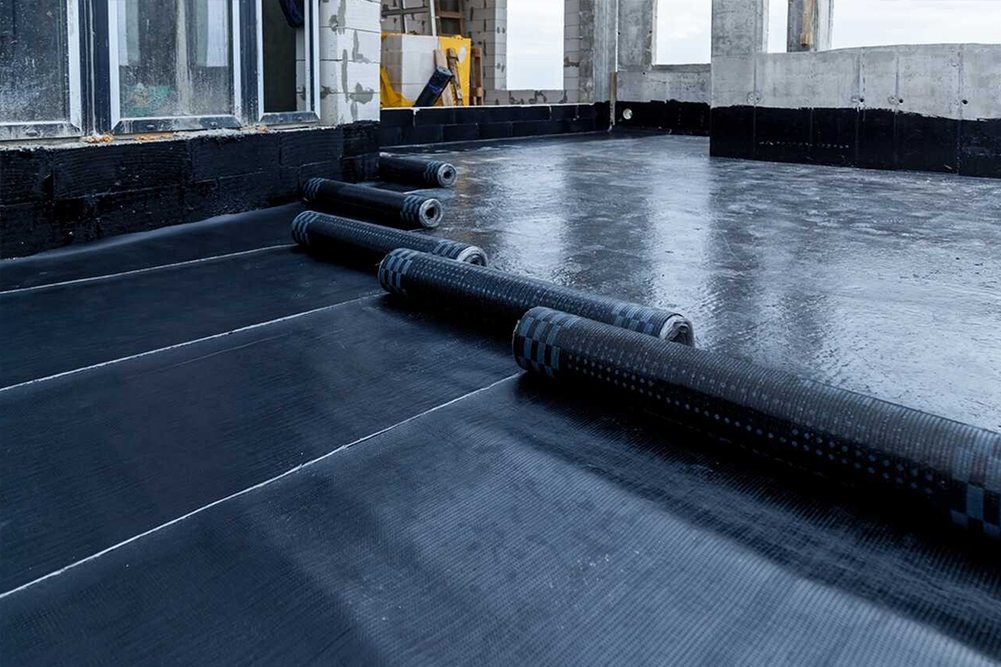
A construction professional applying a torch-on waterproofing membrane to a flat roof. A propane torch is being used to melt the asphalt roll as it is applied to the surface.

Damage to Waterproofing Membrane

Sometimes, waterproofing membranes are damaged when other trades walk on them or install fittings. We check for any signs of damage or disruption.

Common Waterproofing Defects We Identify

Many waterproofing problems occur during installation or when construction continues before the membrane has fully cured. Common issues found during a waterproofing inspection Melbourne include:

These issues may seem minor during construction, but they can lead to major water damage later.

When Is the Right Time for a Waterproofing Inspection?

A waterproofing inspection is usually carried out during the fixing stage of construction, after waterproofing has been applied but before tiling begins.

This timing allows inspectors to assess the waterproofing system while it is still visible.

Once tiles or flooring are installed, the waterproof membrane becomes hidden. If problems exist at that stage, repairs can become expensive and disruptive. Scheduling a bathroom waterproofing inspection Melbourne at the correct time ensures defects can be addressed quickly.

A construction worker in a bright orange hard hat, safety vest, and heavy-duty black gloves kneeling on a flat surface. He is manually smoothing down or inspecting a layer of wet, black liquid waterproofing membrane.

Why Homeowners Choose True Blue Inspections

Independent inspections give homeowners confidence that construction is progressing correctly. Clients trust True Blue Inspections for their waterproofing inspection Melbourne services because we provide:

Independent Assessments

Our inspections are unbiased and focused on protecting your investment.

Compliance with Australian Standards

All inspections follow NCC requirements and AS 3740 waterproofing standards.

Clear and Detailed Reports

We provide easy-to-understand reports that outline any defects or concerns.

Experienced Building Inspectors

Our inspectors have extensive experience reviewing new home construction across Melbourne.

Protect Your Home From Future Water Damage

Waterproofing problems often remain hidden until serious damage appears. A professional waterproofing inspection Melbourne helps ensure the membrane system is installed correctly before tiles and finishes cover it.

Our inspection reviews membrane coverage, drainage, and installation quality so potential issues can be identified early. Because once waterproofing fails, repairs can be costly.

Frequently Asked Questions

What do you check at the fixing and waterproofing inspection?

A fixing and waterproofing inspection checks waterproof membranes, drainage falls, sealing around pipes, membrane coverage, and compliance with AS 3740 standards.

This inspection ensures wet areas are properly sealed before tiling. It helps detect waterproofing defects early so they can be corrected before construction continues.

Not every surface requires waterproofing. However, critical areas such as shower floors, walls, and surrounding zones must be waterproofed according to Australian standards.

While inspections may not always be mandatory, they are highly recommended to ensure waterproofing systems meet building regulations and prevent future defects.

Repairs are possible but usually involve removing tiles and finishes. This can be costly and time-consuming, which is why early inspection is important.

A collage of beautiful residential homes. The main image features a classic white two-story farmhouse with a grey roof, blue shutters, a large covered front porch, and a manicured green lawn. An inset image on the left shows two modern homes with stone and wood siding, highlighting different architectural styles under a clear blue sky.