A circular blue icon with a white outline of a smartphone. In the center of the phone screen is a white telephone handset symbol, commonly used to represent mobile calling or contact options.

0431 100 105

Book Your Inspection Today

Slab Post-Pour Inspection Melbourne

Expert Checks for Your Concrete Foundation

The concrete slab forms the structural base of your home, so it must be built correctly from the start. Our slab inspection service in Melbourne checks the slab after it has been poured to ensure the workmanship, finish, and structure meet Australian building standards. Identifying defects early helps prevent structural issues and costly repairs later in the build.

What Is a Slab Post-Pour Inspection?

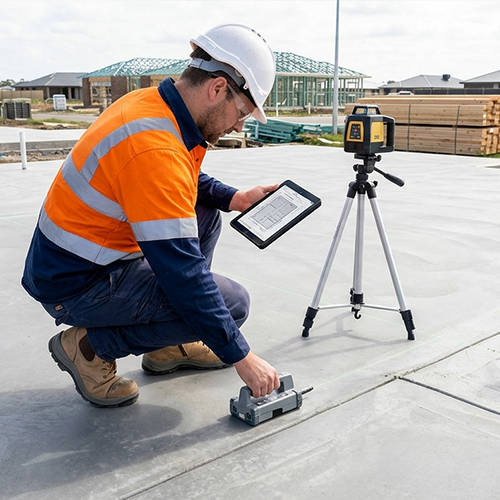
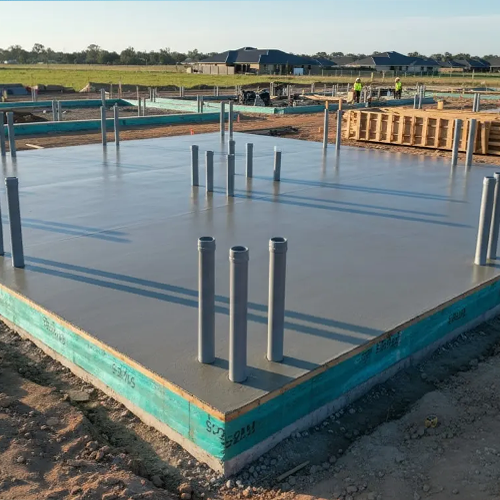
A slab post-pour inspection takes place after the concrete slab has been poured and before construction continues. This concrete slab inspection verifies the slab’s quality and confirms it meets the required standards.

During this inspection, we carefully assess the slab surface, workmanship, and structural condition. The goal is to confirm that the slab is properly constructed and ready to support the remainder of the building. Your slab works together with the frame to form the structural base of your home. Any defect in the slab can lead to problems throughout the building.

Our slab foundation inspection helps detect these issues early, ensuring the build continues safely and according to standards.

Why Slab Inspections Are So Important

A slab may look fine on the surface, but problems can still exist within the concrete or the construction process. A professional slab inspection Melbourne helps ensure the foundation is strong enough to support the home for many years.

This inspection helps:

Early concrete inspection helps prevent expensive repairs and construction delays.

What We Check During a Slab Inspection

Our inspectors follow the National Construction Code and Australian Standard AS 2870, which covers residential slabs and footings. During a concrete slab inspection, we review several important elements to ensure the slab meets building requirements.

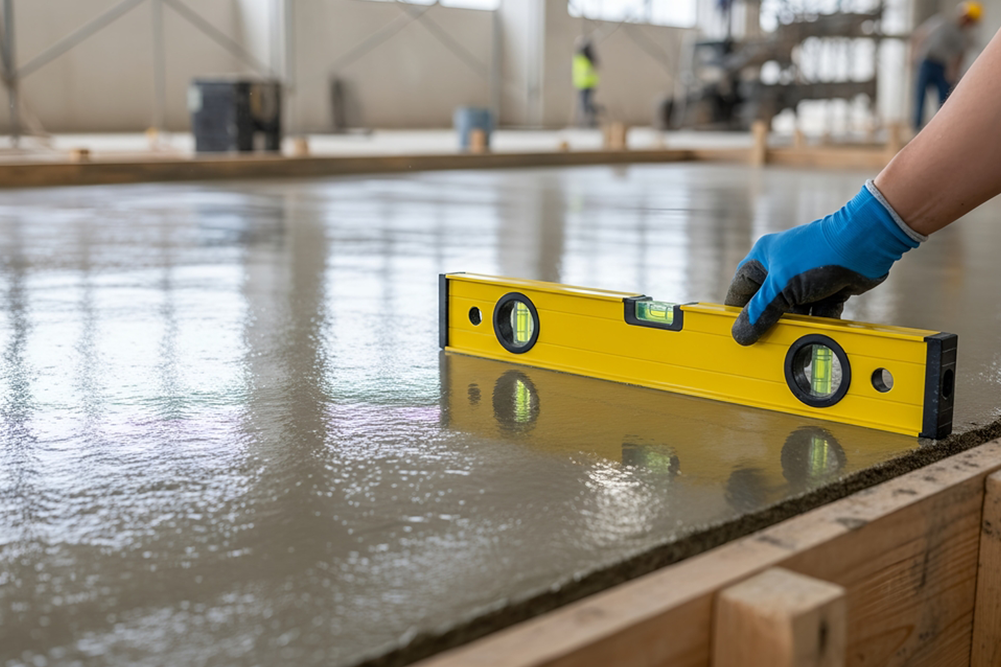
A close-up of a construction worker’s hand in a blue glove using a yellow spirit level on a freshly poured, wet concrete slab to ensure a perfectly flat and even finish.

Surface Level and Finish

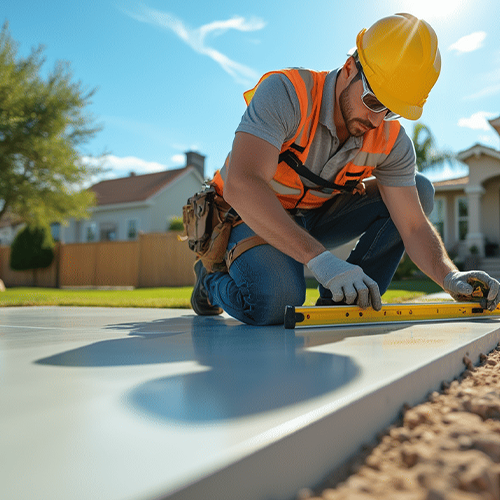
We check the slab's level and finish to ensure it is even and properly constructed.
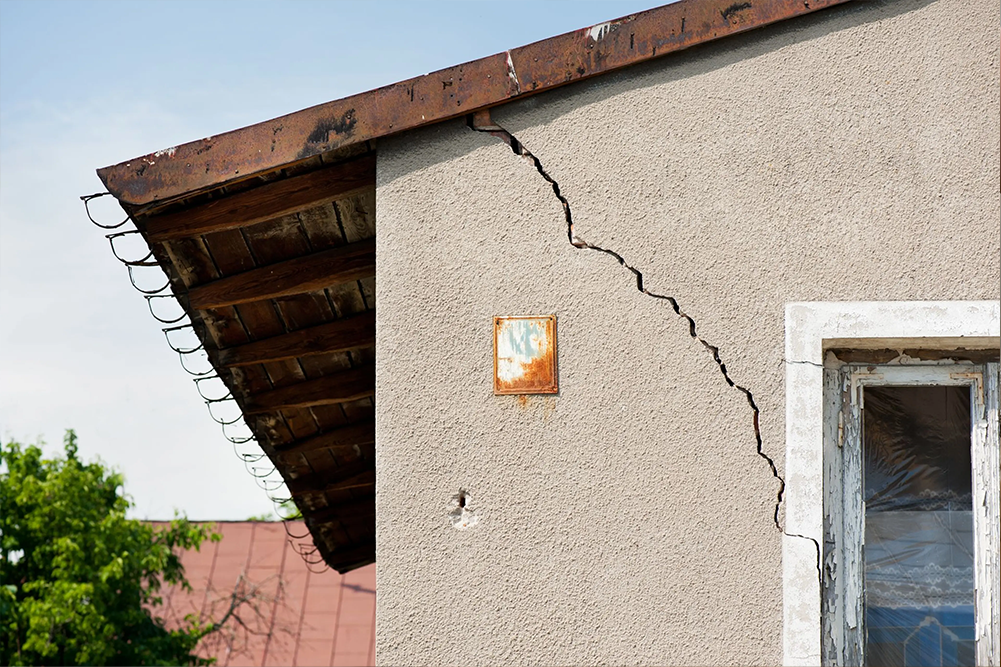
A close-up of a significant diagonal structural crack running down the exterior stucco wall of an older building. The damage starts from the roofline near a rusted metal gutter and extends toward a window frame, illustrating a serious maintenance issue or foundation settling.

Cracks and Structural Defects

Concrete can develop cracks if the pouring or curing process is not done correctly. We inspect the slab carefully to identify any structural concerns.
A close-up of a high-quality masonry job, showing several rows of red clay bricks perfectly aligned with clean, grey mortar joints. A gloved hand is visible at the top, emphasizing the manual craftsmanship of the brickwork.

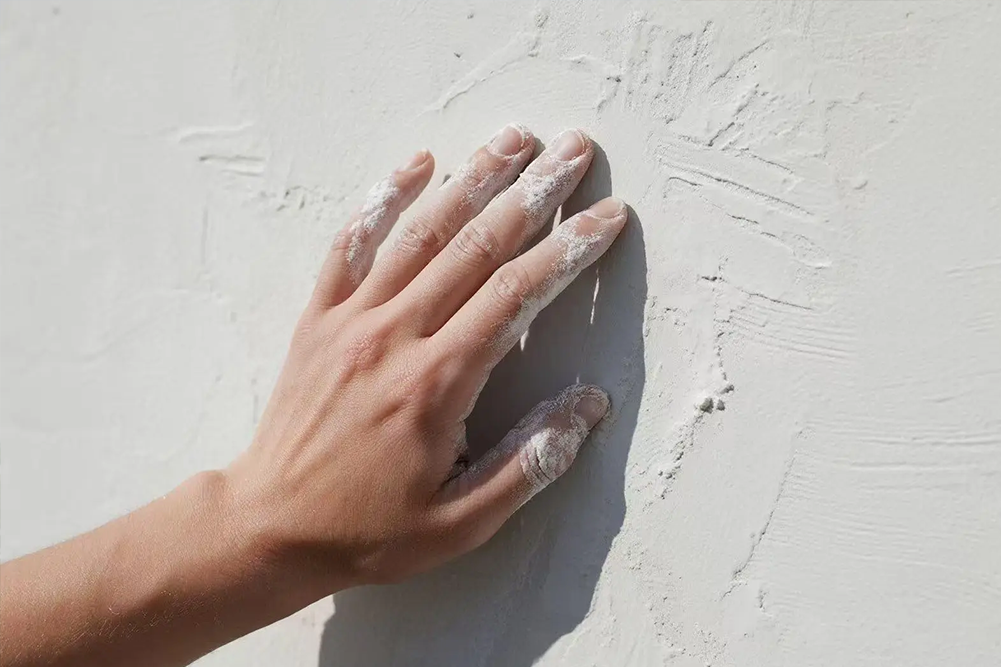
Dusting or Weak Surface

Sometimes concrete develops a chalk-like surface. This can indicate problems with the curing process or material quality.
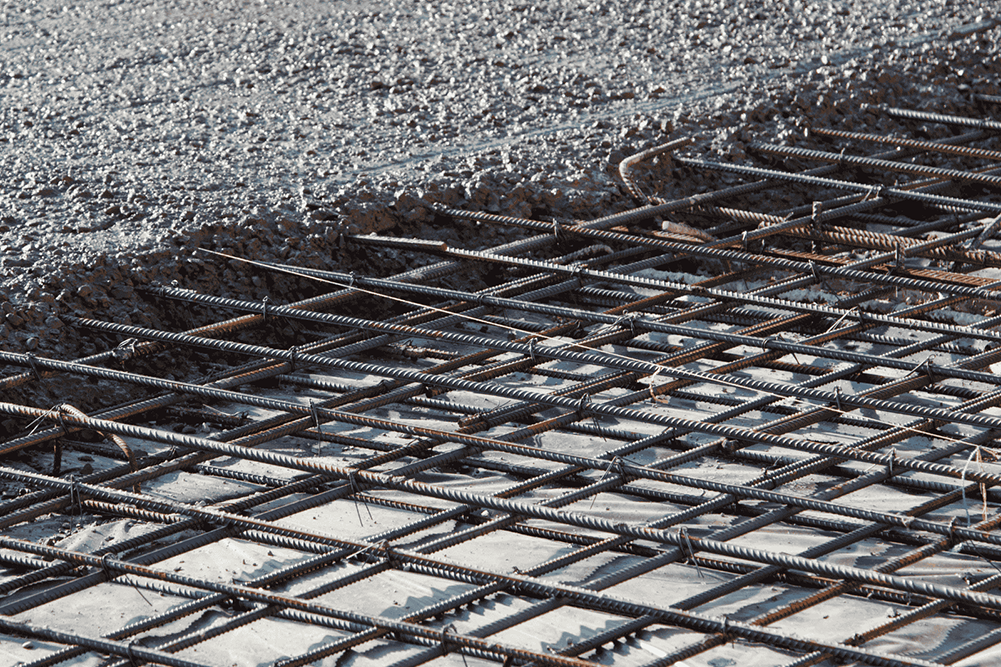
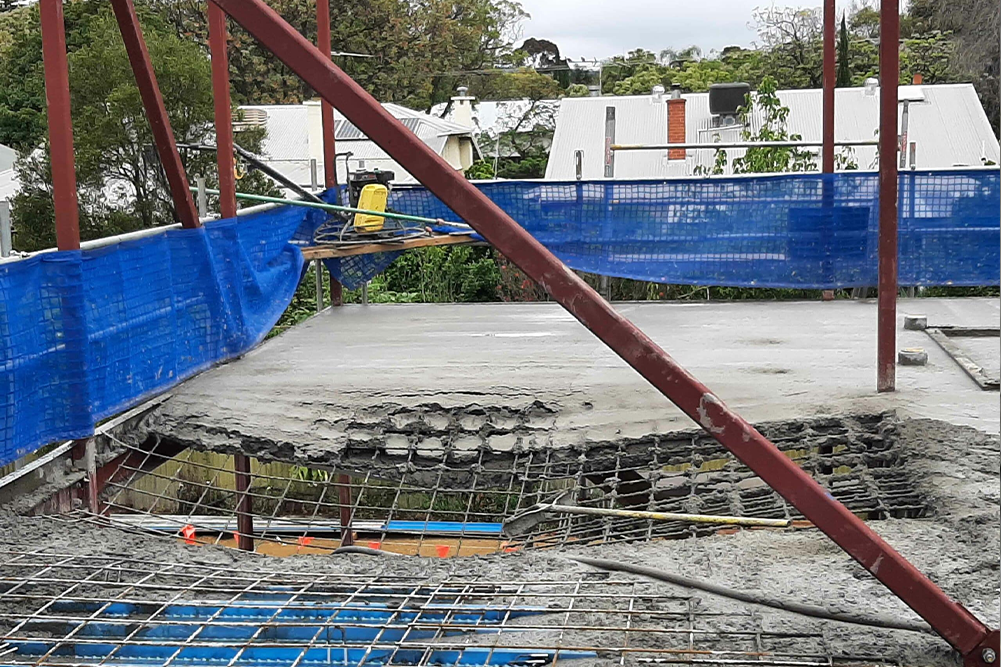
A close-up of a concrete slab being poured on a construction site. The image shows a section of wet, textured concrete meeting a grid of steel reinforcement rebar laid over a grey vapor barrier, highlighting the structural layering of a building foundation.

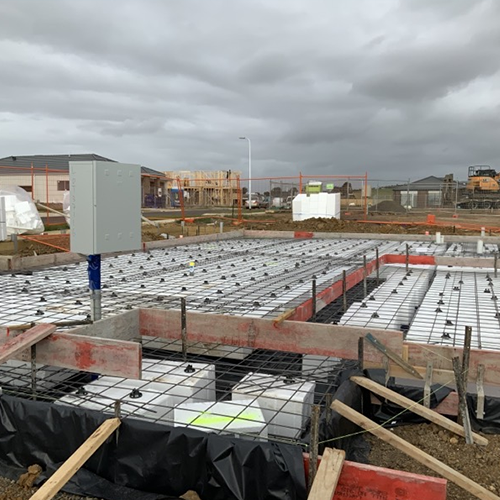
Reinforcement Placement Issues

Steel reinforcement must be correctly placed within the slab. If it is too close to the surface, it may lead to long-term structural issues.
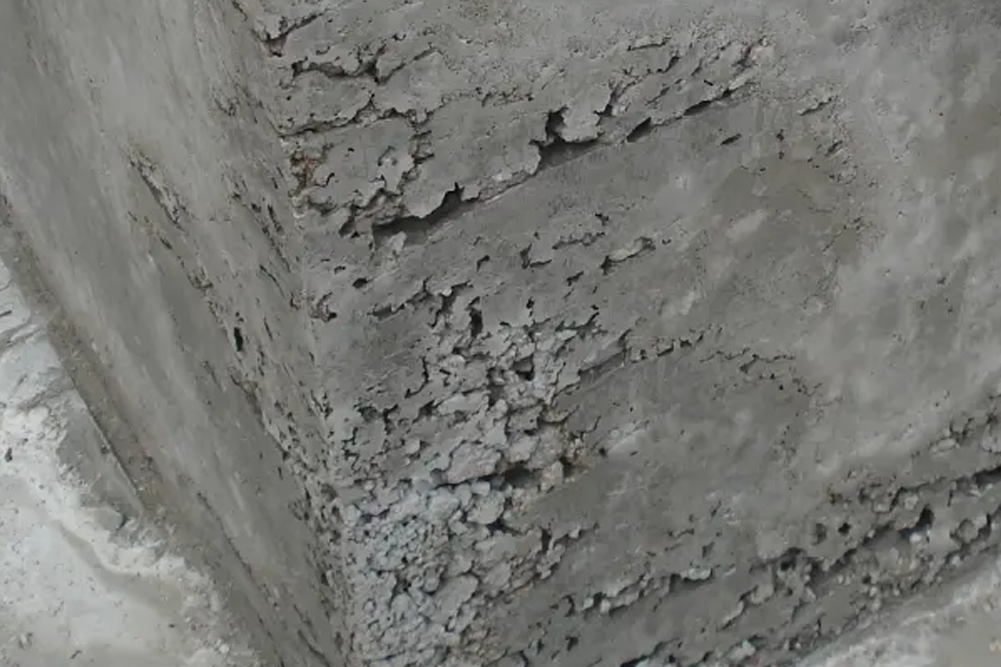
A close-up of a concrete pillar showing significant "honeycombing" defects. The surface is rough and pitted with deep air pockets and exposed aggregate, indicating poor compaction or a faulty pour.

Honeycombing in Concrete

Honeycombing occurs when concrete fails to fill all areas during the pour. This creates small voids that weaken the slab.
A close-up of a damaged exterior wall, showing a large, jagged crack in the beige stucco siding. The crack runs vertically and diagonally, revealing the underlying structural layers, including a dark interior cavity and signs of deterioration around the edges of the breach.

Over-Pouring and Formwork Problems

We also verify that slab edges and formwork are installed correctly during construction.
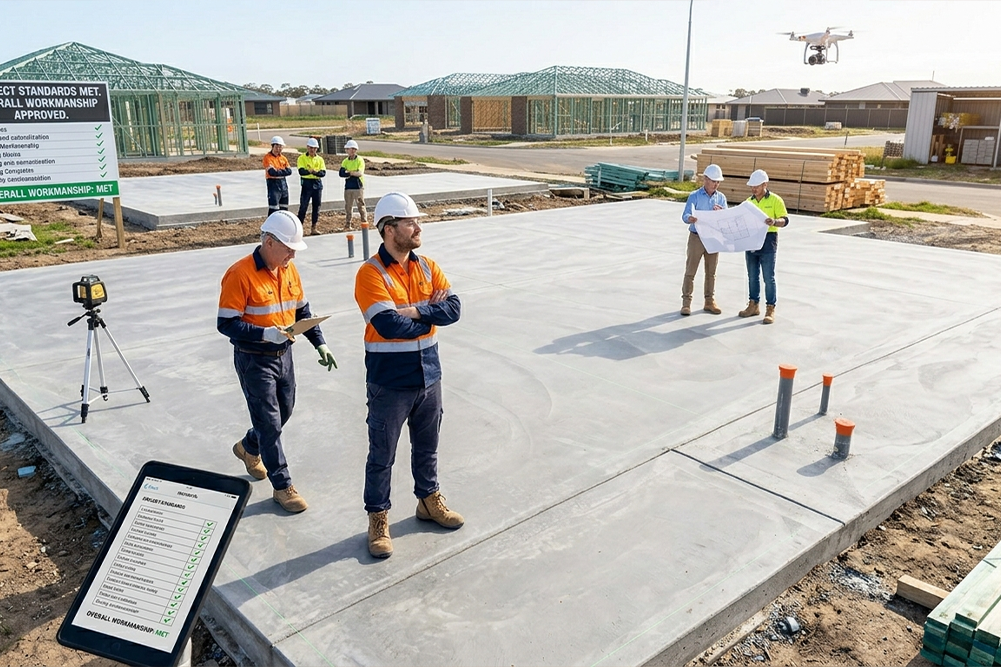
Overall Workmanship

Finally, we assess the overall quality of construction and ensure the slab meets expected building standards.
Common Problems Found During Slab Inspections

Many slab issues are caused by poor workmanship or incorrect construction practices. Some common problems we identify during slab inspection Melbourne include:

Detecting these issues early allows builders to correct them before construction continues.

Benefits of a Professional Slab Inspection

A slab foundation inspection provides several important benefits during construction.

Key advantages include:

Your home’s foundation should never be left to guesswork.

When Should a Slab Inspection Be Done?

A slab post-pour inspection is typically performed soon after slab placement and before major construction begins. This timing allows inspectors to review the slab condition while it is still accessible.

Many builders move quickly to the framing stage, so scheduling your concrete inspection early is important. By inspecting the slab at the right time, defects can be corrected before they impact the rest of the build.

Why Choose True Blue Inspections

Choosing an independent inspection company ensures your home is assessed by professionals who work in your interest. Homeowners trust True Blue Inspections for slab inspection Melbourne services because we provide:

Independent Building Inspections

We work separately from builders to provide unbiased inspections.

Australian Standards Compliance

Our inspections follow the National Construction Code and Australian Standards.

Detailed Inspection Reports

You receive clear reports outlining any issues identified during the inspection.

Experienced Building Inspectors

Our team has extensive experience inspecting new home construction across Melbourne.

This helps ensure your foundation is built correctly from the start.

Protect Your Home With a Professional Slab Inspection

Your slab supports the entire structure of your home, so it needs to be built correctly from the start. Our slab inspection in Melbourne assesses the concrete surface, workmanship, and structural quality to ensure compliance with building standards before construction continues. Small issues at this stage can turn into major problems later. Why take the risk?

Frequently Asked Questions

What is the Australian standard for residential slabs and footings?

The main standard for residential slabs in Australia is AS 2870, which outlines requirements for slab design, construction, and foundation performance.

Common signs include large cracks, uneven surfaces, exposed reinforcement steel, or weak concrete surfaces. A professional concrete slab inspection can confirm whether the slab meets structural standards.

Leaks under a slab may show signs such as damp flooring, mould growth, or unusual changes in water pressure. Specialist testing may be required to locate the exact source of the leak.

Suspended slabs may experience cracking, reinforcement exposure, water damage, or structural movement if not built correctly. Regular concrete inspection helps identify these issues early.

A collage of beautiful residential homes. The main image features a classic white two-story farmhouse with a grey roof, blue shutters, a large covered front porch, and a manicured green lawn. An inset image on the left shows two modern homes with stone and wood siding, highlighting different architectural styles under a clear blue sky.